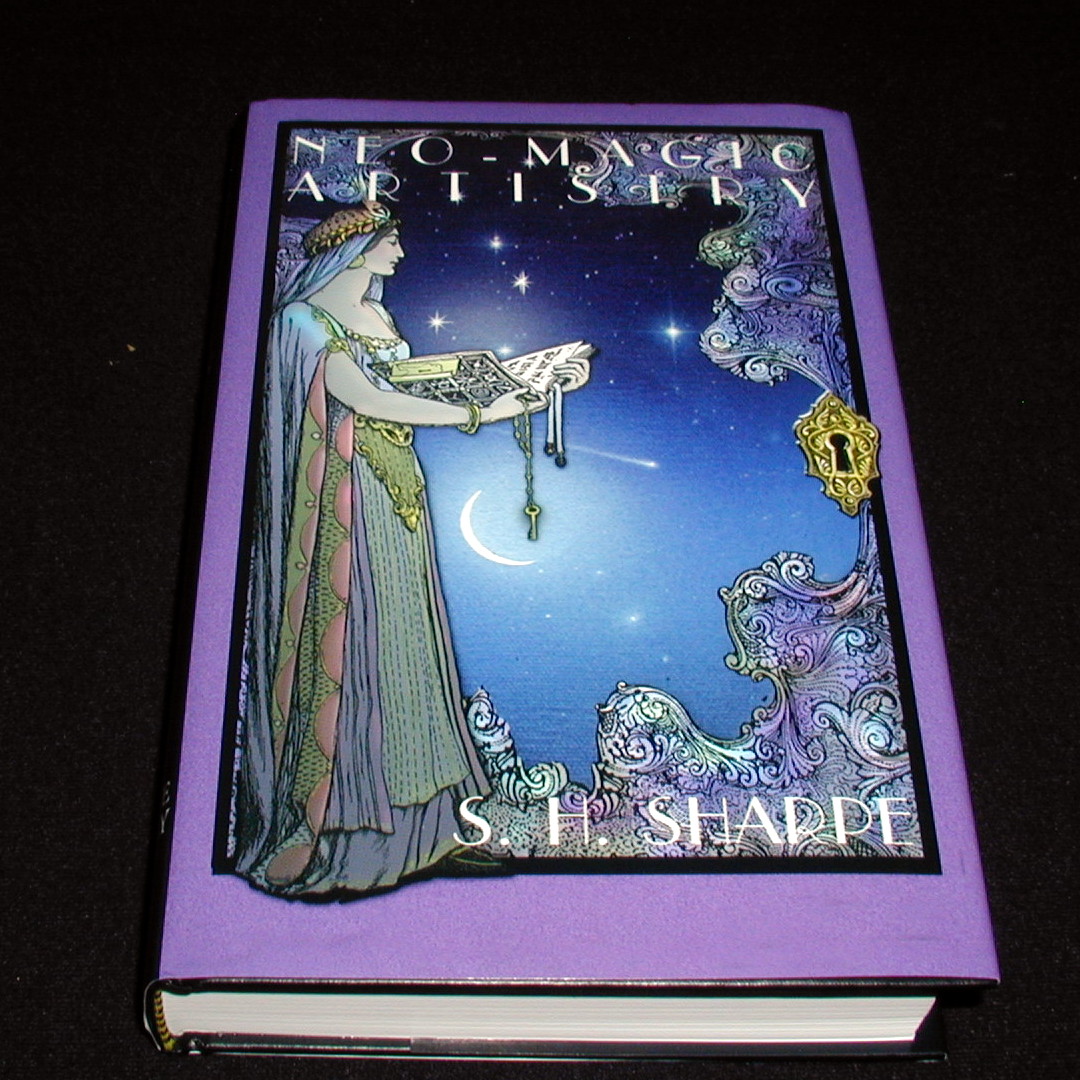
Description
Foreword (Todd Karr)
Introduction (Vito Lupo)
A Philosophy of Wonder (Doug Henning)
The Enchanted Realm (Jeff McBride)
Sam Sharpe Peers into the Crystal Ball (S. H. Sharpe)
Remembering and Forgetting (S. H. Sharpe)
PART I NEO-MAGIC
Introduction
Preface to the Second Edition
Preface to the Third Edition
Ode to a Magician
1. Conjuring as a Fine Art
I. The Nature of Art
II. The Nature of Conjuring
III. Critical Objections to Conjuring as an Art
IV. Showmanship
V. Order of Merit of Conjuring Effects
VI. Popularity
2. Grades of Art
I. False Art
II. Formal Art
III. Naturalistic Art
IV. Imaginative Art
V. Absolute or Abstract Conjuring
3. The Originator
I. Conjurers Classified
II. Originality
III. Systematic Invention of Effects
IV. Forms of Assistance
V. Analysis of Magical Plots
VI. New Dramatic Plots
VII. Copyright
4. Patter
I. Types of Patter
II. Types of Patter, Part Two
III. Composition of Patter
IV. Making Magic Convincing
V. Complication and Climax
VI. Tragedy and Farce
VII. Comedy in Conjuring
VIII. Comedy in Conjuring, Part Two
IX. Comedy in Conjuring, Part Three
5. The Conjurer
I. The Inventor and Manufacturer
II. The Executive Conjurer
III. Desirable Qualities in a Conjurer
IV. Mastering the Craft
6. Production
I. Necessity of a Producer
II. Advertising
III. Styles of Presentation
IV. The Magical Sketch
V. Logic
VI. Logic, Part Two
VII. Consistency
VIII. Unfounded Suspicion
IX. On Leaving the Stage
X. Dramatic Types
XI. Preparing Against a Contretemps
7. Production, Part Two
I. Programme Construction
II. Audiences
III. Choice of Apparatus
IV. More About Audiences
V. Order of Effects
VI. Surprise, Suspense, Repetition, and Transition
VII. Holding Attention
VIII. Separate Item v. Sequenced Programme
IX. Pattern Programmes
X. Incidentals
8. Production, Part Three
I. Interest
II. Stage Fright
III. Emotional Appeal
IV. Scene
V. Schools of Conjuring
VI. The Legitimate Use of Apparatus
9. Production, Part Four
I. Action
II. Sound
III. Music
IV. Sound Effects
10. The Critic
I. Constructive Criticism
II. Objects of Criticism
III. Exposure
IV. Magic and Music
V. Exposing Minor Effects
VI. Exposing Sleight-of-Hand and Stage Magic
VII. Immunity of the Artist
VIII. Better Conjuring
IX. Mediums of Exposure
X. Conclusion
PART II MAGIC ARTISTRY
Preface
CONJURED UP
Part One: Good Conjuring
I. The Essence of Magic Criticism
II. Audiences
III. Audience Mentality
IV. Conditions of Presentation
V. Variety of Methods Desirable
VI. The Elements of Magic
VII. The Magical Plot
VIII. The Dramatic Plot
IX. Fantastic and Pseudo-scientific Plots
X. Pure, Story, and Symbolic Magic
Part Two: Poems in Illusion
Narcissus
By Candle Light
The Nervous Card
The Invisible Silkworm
Domination of Thought
Thoughts Are Things
Mediæval Multiplication
The Bluebells
Fantail
GOOD CONJURING
Part One: Good Conjuring
I. The Objects Used
II. Misdirection
III. Construction
IV. Characterisation
V. Technical Mastery
VI. Dramatic Ability
VII. Manner
VIII. Speed of Presentation
IX. Style
X. Magic-Artist versus Showman
XI. Summary
Part Two: Poems in Illusion
Catching The Post
Card Bubbles
Love: The Magician
The Two Jewels
Reflected Thoughts
Citizens of the World
The World’s Pearl
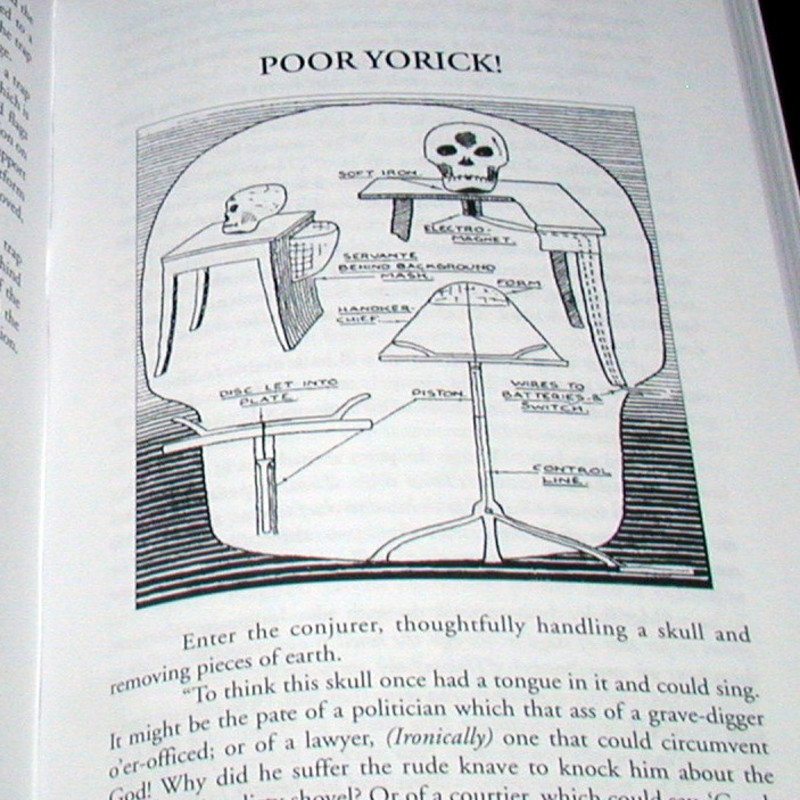
Poor Yorick!
Alice In Conjureland
GREAT MAGIC
Part One: Great Magic
I.
II. Styles of Conjuring
III. Factual Truth versus Poetic Truth
IV. Maintaining a Balance
V. Poetic Inspiration
VI. Magician or Trickster?
VII. Wake Up, Magic!
VIII. Art and Magic in Brief
Part Two: Dramatic Conjuring
The Unravelled Knots
Royal Blood
Iron, Silver, and Gold
Coincidence — or What?
The Chrysanthemums
A Silk-Producing Tube
The Gloomy Forest
The Willow Pattern
Invisible Influence
You Know Everything
Dream Stuff
Mammon
By Moonlight
The Mirror of Hereafter
Music to Enchant
Afterthought
Appendix 1
Devant and The Supreme Test (S. H. Sharpe)
The Supreme Test (Mark Ambient and David Devant)
Appendix 2
Sharpe’s Influence on Fitzkee (Todd Karr)
S.H. Sharpe Comments (S. H. Sharpe)
Appendix 3
Works by S. H. Sharpe
Acknowledgments